
Vitamin C and Vitamin B12: Essential Nutrients for a Healthy Body
Published
Vitamin C and Vitamin B12 are two essential nutrients that play a crucial role in maintaining overall health. Although both are vitamins, they serve very different functions in the body. Vitamin C is well known for boosting immunity and protecting the body from infections, while Vitamin B12 is vital for nerve function, brain health, and the production of red blood cells. Together, they support energy, strength, and overall well-being.
Vitamin C, also known as ascorbic acid, is a powerful antioxidant that helps protect the body from damage caused by free radicals. It plays an important role in strengthening the immune system, helping the body fight infections more effectively. It also supports skin health by promoting collagen production, which keeps the skin firm and youthful. Regular intake of Vitamin C-rich foods such as oranges, lemons, amla, guava, and green vegetables can significantly improve overall health.
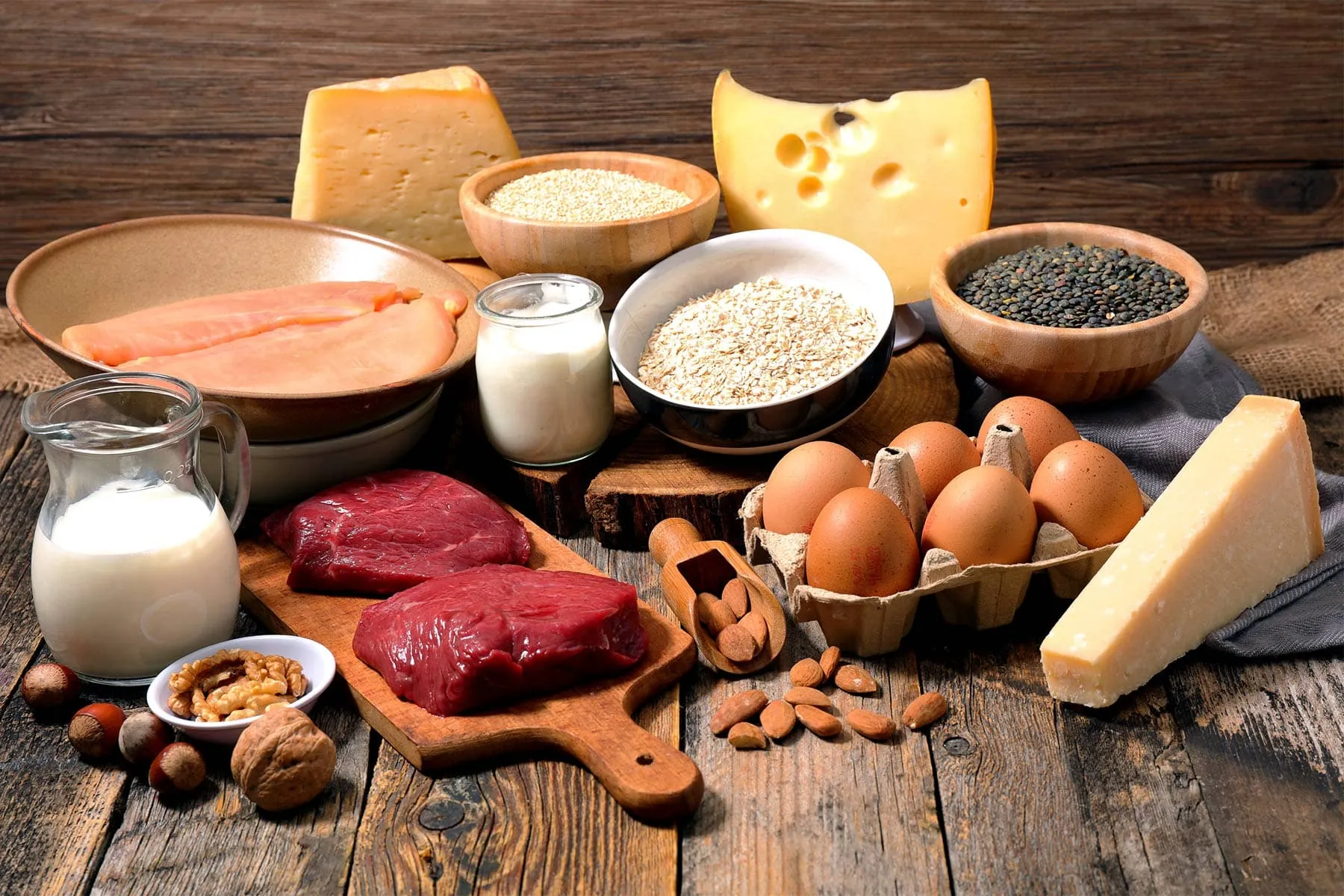
On the other hand, Vitamin B12 is essential for the proper functioning of the nervous system and the formation of red blood cells. It helps prevent fatigue and weakness by supporting oxygen transport in the body. A deficiency in Vitamin B12 can lead to symptoms such as tiredness, memory problems, and even nerve damage if left untreated. Unlike Vitamin C, Vitamin B12 is mainly found in animal-based foods such as milk, eggs, fish, and meat, which makes it especially important for vegetarians to monitor their intake.
One of the key differences between these two vitamins is how the body stores them. Vitamin C is water-soluble and not stored in large amounts, so it needs to be consumed daily through diet. Vitamin B12, however, can be stored in the liver for a longer period, but deficiency can still occur over time, especially in people with poor absorption or restricted diets.
Both vitamins contribute significantly to energy and overall health. Vitamin C helps reduce fatigue and improves iron absorption, while Vitamin B12 directly supports energy production and brain function. When combined in a balanced diet, they help maintain an active lifestyle and reduce the risk of various health issues.
To ensure adequate intake, it is important to include a variety of foods in your daily meals. Fresh fruits and vegetables can meet your Vitamin C needs, while dairy products or fortified foods can help maintain Vitamin B12 levels. In some cases, supplements may be required, especially for individuals with deficiencies, but it is always best to consult a healthcare professional before starting them.
In conclusion, Vitamin C and Vitamin B12 are both essential for maintaining a healthy body and mind. While they perform different functions, both are equally important in supporting immunity, energy levels, and overall well-being. A balanced diet that includes these nutrients can go a long way in keeping you healthy and active.
Vitamin C, also known as ascorbic acid, is a powerful antioxidant that helps protect the body from damage caused by free radicals. It plays an important role in strengthening the immune system, helping the body fight infections more effectively. It also supports skin health by promoting collagen production, which keeps the skin firm and youthful. Regular intake of Vitamin C-rich foods such as oranges, lemons, amla, guava, and green vegetables can significantly improve overall health.
On the other hand, Vitamin B12 is essential for the proper functioning of the nervous system and the formation of red blood cells. It helps prevent fatigue and weakness by supporting oxygen transport in the body. A deficiency in Vitamin B12 can lead to symptoms such as tiredness, memory problems, and even nerve damage if left untreated. Unlike Vitamin C, Vitamin B12 is mainly found in animal-based foods such as milk, eggs, fish, and meat, which makes it especially important for vegetarians to monitor their intake.
One of the key differences between these two vitamins is how the body stores them. Vitamin C is water-soluble and not stored in large amounts, so it needs to be consumed daily through diet. Vitamin B12, however, can be stored in the liver for a longer period, but deficiency can still occur over time, especially in people with poor absorption or restricted diets.
Both vitamins contribute significantly to energy and overall health. Vitamin C helps reduce fatigue and improves iron absorption, while Vitamin B12 directly supports energy production and brain function. When combined in a balanced diet, they help maintain an active lifestyle and reduce the risk of various health issues.
To ensure adequate intake, it is important to include a variety of foods in your daily meals. Fresh fruits and vegetables can meet your Vitamin C needs, while dairy products or fortified foods can help maintain Vitamin B12 levels. In some cases, supplements may be required, especially for individuals with deficiencies, but it is always best to consult a healthcare professional before starting them.
In conclusion, Vitamin C and Vitamin B12 are both essential for maintaining a healthy body and mind. While they perform different functions, both are equally important in supporting immunity, energy levels, and overall well-being. A balanced diet that includes these nutrients can go a long way in keeping you healthy and active.