Effect of Food from Tribal and Village Areas on Health
Published

Food habits in tribal and village areas are deeply connected to nature, tradition, and seasonal availability. Unlike modern urban diets, these communities rely on locally grown, fresh, and minimally processed foods. This natural way of eating has a significant positive impact on health and is now being studied as a model for sustainable and healthy living.
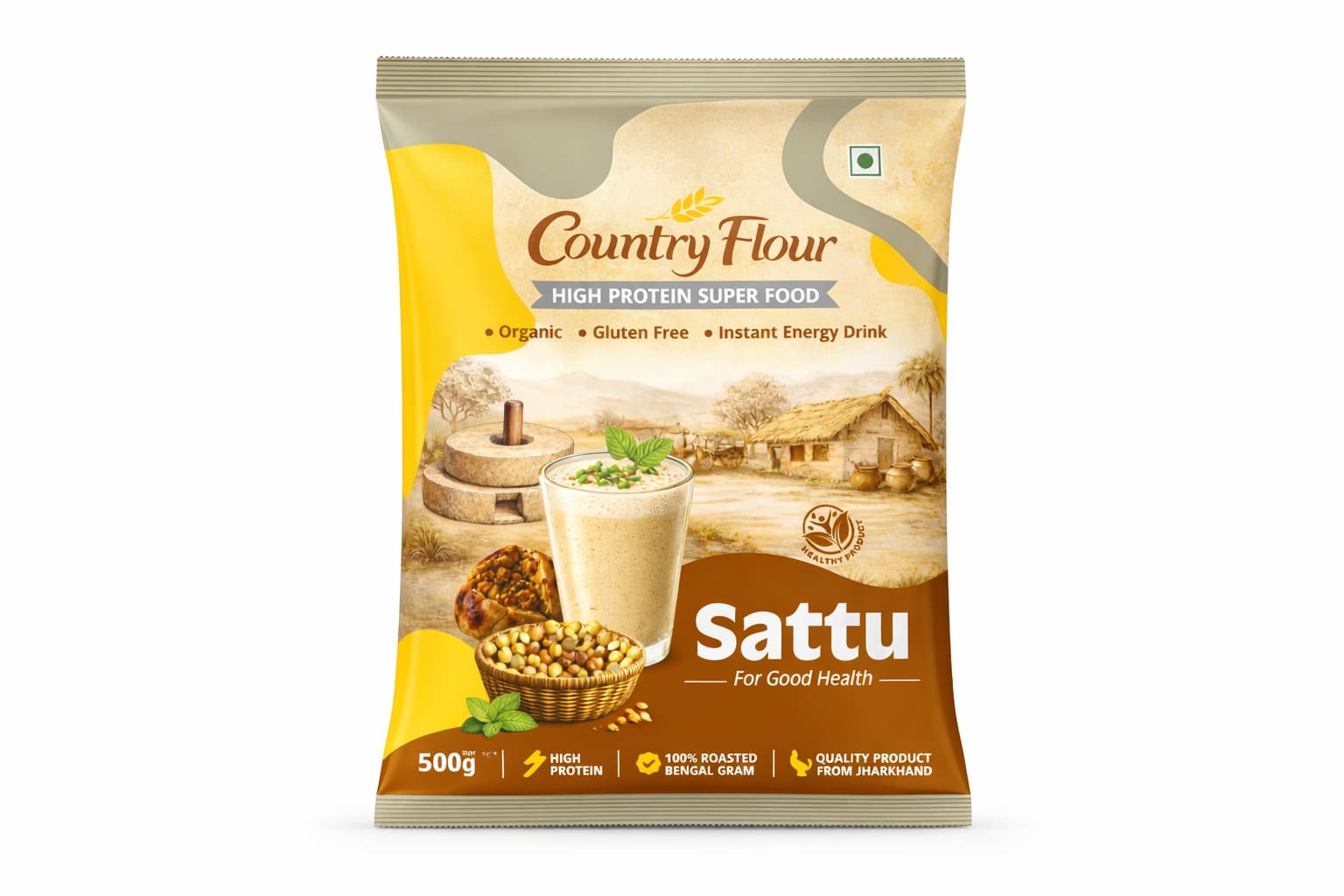
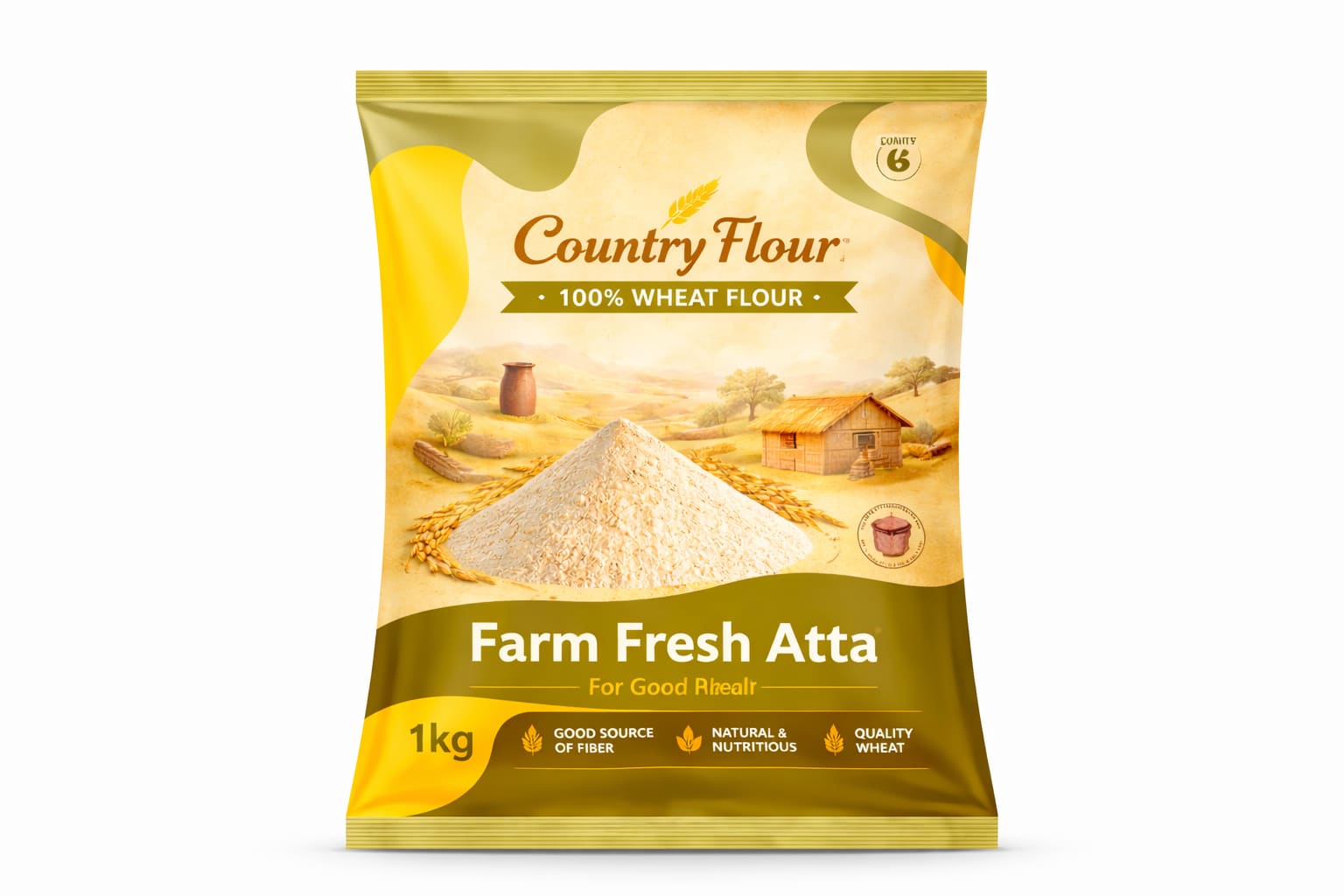
One of the biggest advantages of tribal and rural diets is the use of natural and organic ingredients. People in these areas often consume food that is grown without excessive chemicals or preservatives. Fresh vegetables, seasonal fruits, whole grains like millets, and locally sourced pulses form the core of their diet. This ensures higher nutrient intake and reduces exposure to harmful substances commonly found in processed foods.
Another important aspect is the high nutritional value of traditional foods. Tribal diets often include a variety of grains, roots, leafy vegetables, and forest-based foods that are rich in fiber, vitamins, and minerals. These foods support digestion, improve immunity, and provide sustained energy. Millets, for example, are commonly consumed in rural areas and are known for their benefits in controlling blood sugar and improving heart health.
Eating patterns in village areas also contribute to better health. Meals are usually prepared fresh and consumed at regular times, which supports proper digestion and metabolism. Unlike modern lifestyles where fast food and irregular eating are common, rural communities follow a more disciplined and balanced approach to food.
Another key benefit is the lower consumption of processed and junk food. Since packaged foods are less accessible or less preferred in these areas, people naturally avoid excessive sugar, salt, and unhealthy fats. This significantly reduces the risk of lifestyle diseases such as obesity, diabetes, and hypertension, which are more common in urban populations.
Physical activity also complements food habits in tribal and village areas. Daily work often involves farming, walking, and manual labor, which helps in maintaining a healthy weight and improving overall fitness. When combined with a natural diet, this active lifestyle creates a strong foundation for long-term health.
However, it is important to note that not all aspects are perfect. In some rural areas, there may be limited access to a variety of foods, leading to deficiencies in certain nutrients like Vitamin B12 or protein. Despite this, the overall dietary pattern remains healthier compared to highly processed urban diets.
In conclusion, food from tribal and village areas offers valuable lessons for modern society. Their reliance on natural, fresh, and balanced diets supports better health and reduces the risk of many chronic diseases. By adopting some of these traditional eating habits, such as consuming whole foods and avoiding processed items, we can move towards a healthier and more sustainable lifestyle.
One of the biggest advantages of tribal and rural diets is the use of natural and organic ingredients. People in these areas often consume food that is grown without excessive chemicals or preservatives. Fresh vegetables, seasonal fruits, whole grains like millets, and locally sourced pulses form the core of their diet. This ensures higher nutrient intake and reduces exposure to harmful substances commonly found in processed foods.
Another important aspect is the high nutritional value of traditional foods. Tribal diets often include a variety of grains, roots, leafy vegetables, and forest-based foods that are rich in fiber, vitamins, and minerals. These foods support digestion, improve immunity, and provide sustained energy. Millets, for example, are commonly consumed in rural areas and are known for their benefits in controlling blood sugar and improving heart health.
Eating patterns in village areas also contribute to better health. Meals are usually prepared fresh and consumed at regular times, which supports proper digestion and metabolism. Unlike modern lifestyles where fast food and irregular eating are common, rural communities follow a more disciplined and balanced approach to food.
Another key benefit is the lower consumption of processed and junk food. Since packaged foods are less accessible or less preferred in these areas, people naturally avoid excessive sugar, salt, and unhealthy fats. This significantly reduces the risk of lifestyle diseases such as obesity, diabetes, and hypertension, which are more common in urban populations.
Physical activity also complements food habits in tribal and village areas. Daily work often involves farming, walking, and manual labor, which helps in maintaining a healthy weight and improving overall fitness. When combined with a natural diet, this active lifestyle creates a strong foundation for long-term health.
However, it is important to note that not all aspects are perfect. In some rural areas, there may be limited access to a variety of foods, leading to deficiencies in certain nutrients like Vitamin B12 or protein. Despite this, the overall dietary pattern remains healthier compared to highly processed urban diets.
In conclusion, food from tribal and village areas offers valuable lessons for modern society. Their reliance on natural, fresh, and balanced diets supports better health and reduces the risk of many chronic diseases. By adopting some of these traditional eating habits, such as consuming whole foods and avoiding processed items, we can move towards a healthier and more sustainable lifestyle.